Why the World is Falling in Love with Korean Culture
By Teach Me Korean
When you choose to learn Korean, you’re doing more than just memorizing grammar and vocabulary — you’re opening the door to one of the richest and most vibrant cultures in the world. The Charm of Korean Culture: Explore Korean Culture, Language, and Lifestyle with Teach Me Korean
Why the World is Falling in Love with Korean Culture
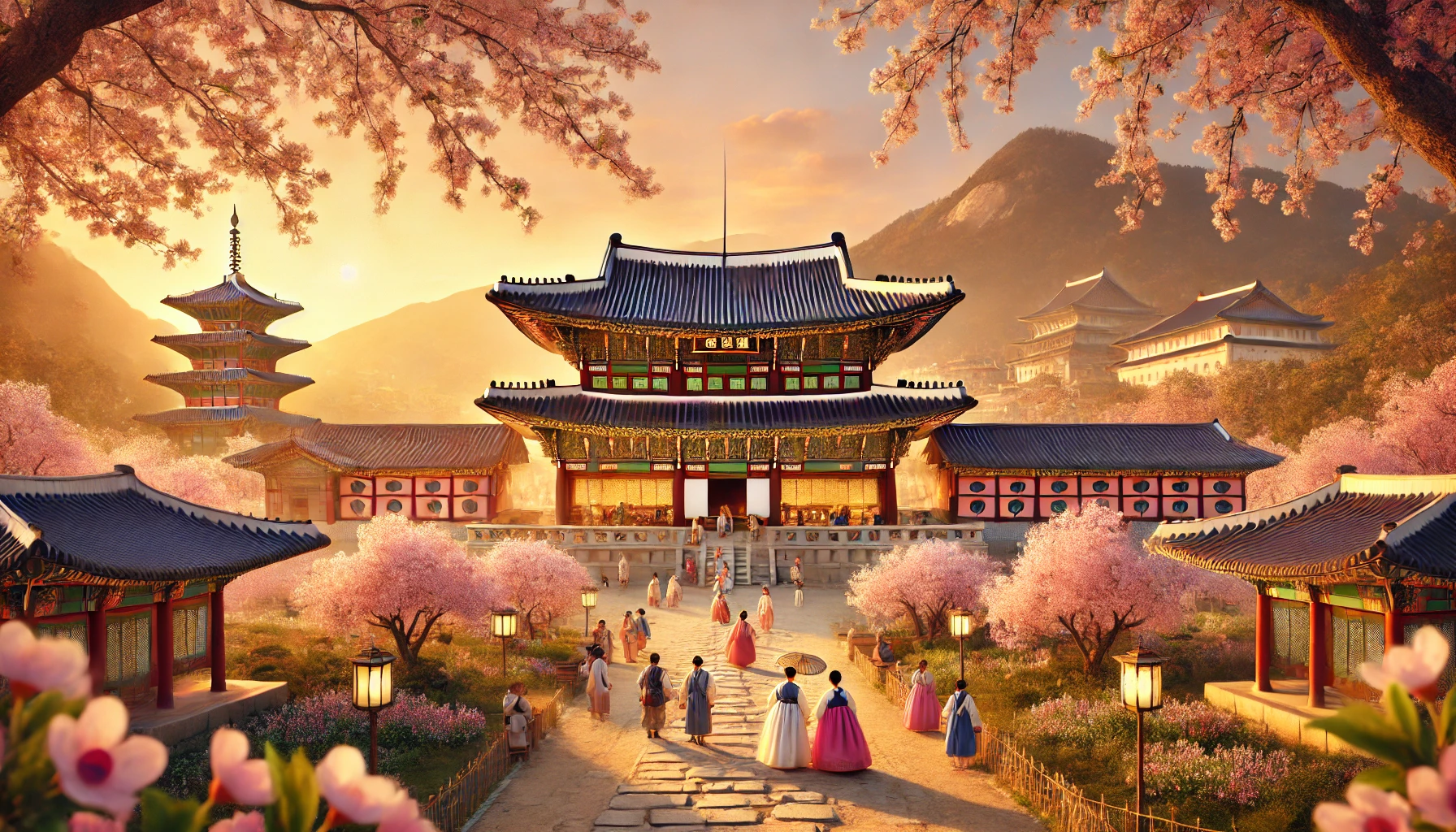
In recent years, Korean culture has captured the hearts of people around the globe. From the explosive popularity of K-pop and K-dramas to the growing interest in learning Korean, Korea's global influence is undeniable.
Whether you’re a K-pop fan or someone curious about the Korean way of life, there’s never been a better time to dive into this rich and fascinating culture.
What makes korea different?
- The Heart of Korea: Hanbok, Hangul, and Hanok
- 2. Korean Food Culture: More Than Just Kimchi
- 3. Korean Festivals & Traditions
- 4. K-Pop, K-Drama, and the Hallyu Wave
- 5. Respect and Hierarchy: The Korean Way of Communication
The Heart of Korea: Hanbok, Hangul, and Hanok
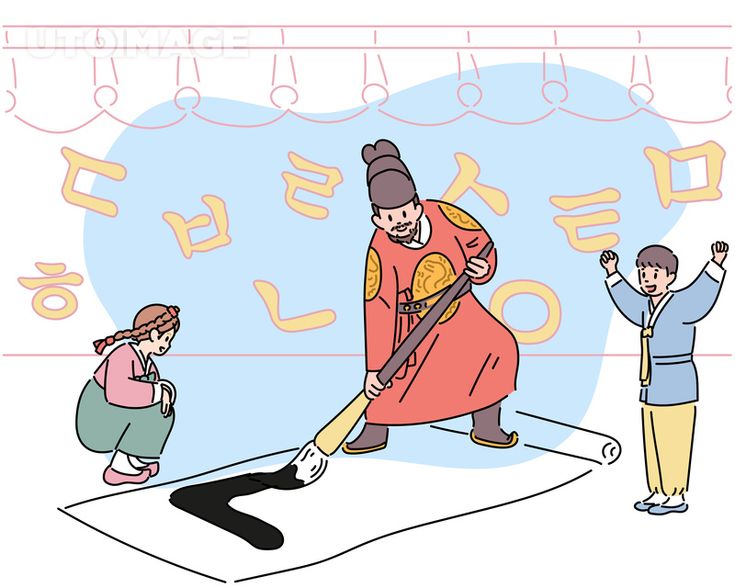
Korean culture is deeply rooted in history and tradition. The Hanbok, Korea’s traditional attire, is more than just beautiful clothing — it represents elegance, harmony, and centuries of identity. Similarly, Hangul, the Korean alphabet, created by King Sejong in the 15th century, is a proud symbol of national heritage. Learning Hangul is often the first step in our courses, and it's amazing how it connects you instantly to Korean literature, signage, and even ancient texts. Traditional Korean houses, known as Hanok, are architectural gems that reflect the balance of nature and design — something you’ll come to appreciate more as you explore Korean traditions and values.
Korean Food Culture: More Than Just Kimchi
Food is a language of its own in Korea. From the famous Kimchi and Bibimbap to the lively experience of Korean BBQ, food is central to every celebration and daily life in Korea. Meals are often shared and come with multiple side dishes called banchan, reflecting the communal spirit of the culture. In our lessons, we often include conversational topics around food and dining — perfect for anyone planning a trip or wanting to engage with locals over a meal! Traditional Korean houses, known as Hanok, are architectural gems that reflect the balance of nature and design — something you’ll come to appreciate more as you explore Korean traditions and values.
Korean Festivals & Traditions
Learning about major Korean festivals like Chuseok (Korean Thanksgiving) and Seollal (Lunar New Year) gives you insight into family structures, ancestral respect, and the rhythms of life in Korea. These events are filled with traditional games, clothing, food, and rituals. Our cultural insight sessions introduce students to these customs, helping you understand why Korean society works the way it does — a great advantage when studying, traveling, or even working in a Korean environment.
K-Pop, K-Drama, and the Hallyu Wave
You can’t talk about Korean culture today without mentioning the Korean Wave (Hallyu). K-pop, K-dramas, and Korean films have taken the world by storm — and they're a great way to practice listening, pick up slang, and understand modern Korean life. We encourage our students to engage with Korean media regularly as a way to improve listening skills and stay motivated. After all, who wouldn’t want to learn Korean by understanding BTS lyrics or your favorite drama dialogue?
Respect and Hierarchy: The Korean Way of Communication
One key aspect of Korean culture is its emphasis on respect and hierarchy, especially in speech. That’s why learning honorifics and politeness levels is a fundamental part of our course structure. It may seem complex at first, but understanding this social framework helps you navigate conversations confidently and respectfully.
Why Culture Matters in Language Learning
At Teach Me Korean, we integrate cultural lessons into every level — from beginner to advanced — because understanding Korean culture is essential for fluency and connection. Whether you're working toward TOPIK certification, looking for a job opportunity, or dreaming of life in Korea, a cultural foundation will always give you an edge.